
When a Watch Becomes Too Historically Significant to Wear
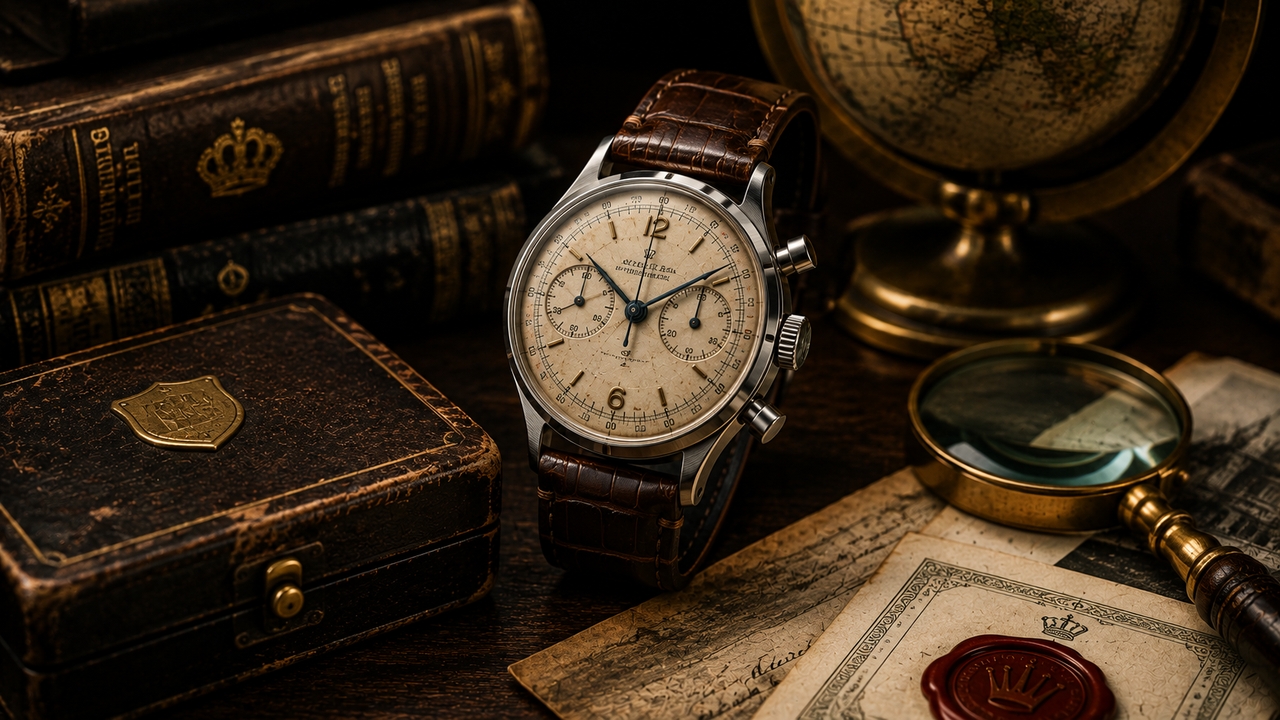
Some watches become so interesting to learn about that wearing them begins to feel a little bit wrong. Not because they no longer work. Not because they’re uncomfortable. And not necessarily because they’re fragile.
It’s because you realise you know too much about them.
At first glance, it’s just another watch. Sure, you spend a bit more time appreciating the dial. Sure, you admire the movement. And sure, you might wear it a little more carefully than others.
But it’s essentially part of your normal rotation.
Then you start digging into the details.
You find out where it was made. You discover who owned it previously. You learn how long it lived in one collection. You uncover the quirks that make your particular example matter.
The watch doesn’t change.
Your relationship with it does.
Condition, Originality and Provenance Become One Story
On paper, collectors love to obsess over three things, the condition of a watch, its originality and its provenance.
Once you start learning the story of a particularly important watch, those factors can start to blend into one.
Let’s say a collector comes across a watch that has managed to survive mostly as it was when it left its original owner.
Perhaps the case has scratches that came from years of daily wear. Maybe the dial has faded naturally with age. The documentation traces its journey through the last century, and there are even photographs of a previous owner wearing it on their wrist.
Suddenly, none of those marks are the same.
That scratch isn’t just a scratch. It’s a sign that this watch was actually worn as its current owner intends to wear it.
The edges of that bracelet aren’t just worn with age. They’re worn from the wrist of its previous owner.
The collector knows that watch’s story now.
They can’t unsee it.
You become hyper-aware of what could happen if you wear it.
You think about what else you can damage by wearing it on your wrist.
Maybe they hesitate before leaving the house. Suddenly, their typical weekend plans start to feel risky if they take their historically significant watch along.
They consider moisture, bumps, magnets, bags, flights, and every other potential danger that could cause damage.
Dangers that don’t seem significant when wearing their other vintage watches.
And then they realise their most important watch spends more time in the box than on their wrist.
Kind of ironic when you think about it.
It survived that long because someone was willing to wear it. Now its current owner is worried about damaging it by doing the same.
Preservation Can Go Too Far
On the other hand, there’s a risk of taking that mentality to the extreme.
Sure, not every scratch or mark needs to be preserved for all eternity. If a watch was designed to be worn, we shouldn’t assume it instantly becomes some sort of museum piece just because we happen to know its past.
It can be hard to know when to stop.
Wearing a historically important watch doesn’t mean suddenly throwing caution to the wind. Wear it carefully.
The reality is that the watch is likely still being worn because that’s what people used to do with these watches in the first place. Continuing that tradition can be a form of respect.
There will be times when it makes sense to leave it safely stored away.
If it’s particularly fragile. If there’s only one known example left. If the previous owner who gifted it to the collector specifically wrote about wearing it throughout their working life. These sorts of things can all change the mindset.
Ultimately, it’s about weighing up the importance of preserving original condition against continuing to wear the watch.
Maybe there’s no right or wrong answer.
When a Watch Becomes Part of History
There comes a point with some vintage watches where a collector simply feels guilty wearing them.
That feeling is different from worrying about damage.
When wearing most vintage watches, the collector becomes the latest chapter in its story.
There comes a point with some watches where they realise the previous chapters are just too important to try.
They learn so much about the watch’s past that they know someone actually lived through that history by wearing it.
They imagine the previous owner wearing it to work every day. They convince themselves it sat on their wrist while they saw some of the most significant events of the last century unfold.
They leaf through the photographs and documents and remember that the watch was once a part of someone else’s life.
Now it’s part of theirs.
Except that feeling lasts forever because they know, deep down, there will always be more to learn about its past.
In that sense, their chapter will never feel quite as significant.
They also find themselves changing what they want from the watch when they do wear it.
Instead of asking, “Should you wear this because you own it?” they begin to ask, “Does wearing this help continue its story, or could it harm what already exists?”
It’s a strange mental shift to make.
But an important one.
Knowing When to Stop Wearing It
Knowing when to stop wearing a watch is difficult.
At what point does a watch go from being an object to use to a piece of history you’re holding in your care?
There probably isn’t an exact moment that applies to every watch.
But a good indicator is when the collector stops thinking about the watch as theirs.
When they start considering the story it already has and what they can do to help preserve that story, the relationship changes.
When that happens, the watch might spend more time in the safe than on the wrist.
And you know what?
It doesn’t mean they love it any less.
If anything, it might mean the opposite.
They finally realise that sometimes the best way to show they care about a watch’s history is to let that history live on for the next person to discover.
Enjoyed this article?
Members of The Collectors Club have access to the full editorial archive, private introductions, and a community of serious collectors.
Apply for Membership