
Passing a Collection Down: What Collectors Wish They’d Documented Before It Was Too Late
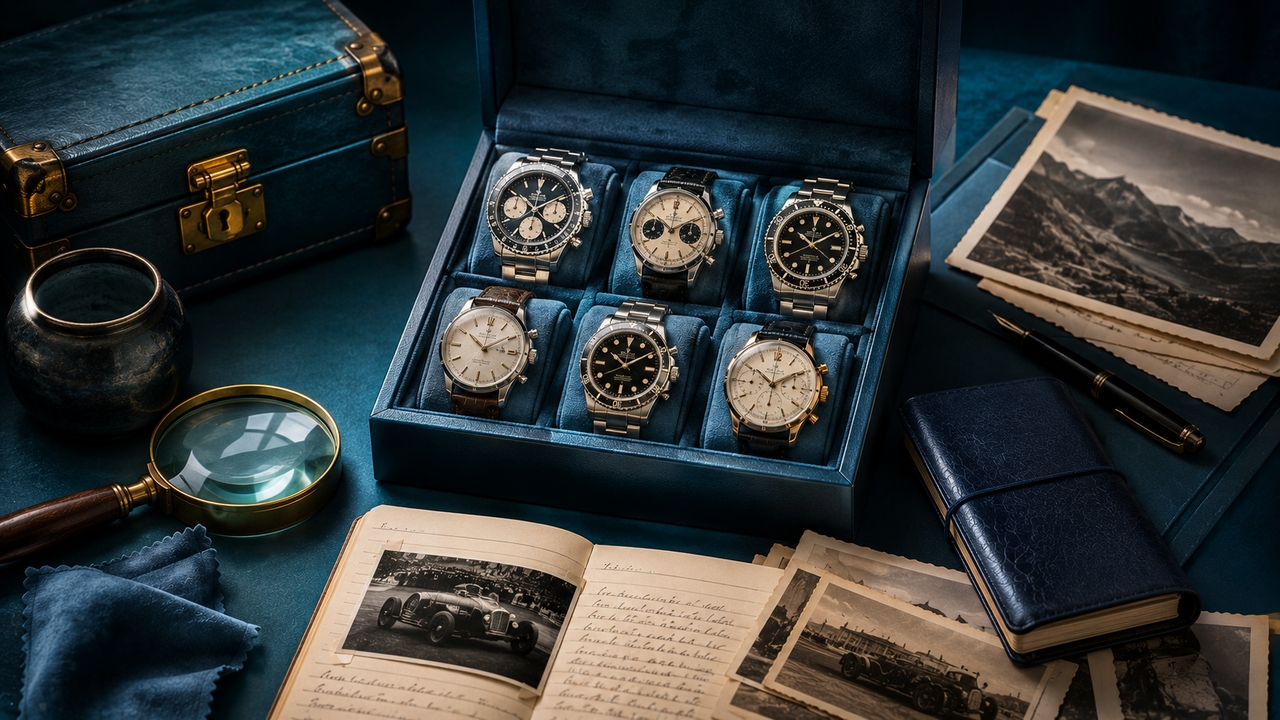
A watch collection can take a lifetime to assemble. But the information behind that collection can be lost in a matter of hours.
Now you’ve got me worried.
We spend years building our collections, seeking out missing references, filling gaps and discovering watches we never knew existed. The owner knows every watch in their collection. At least they should. Otherwise, what’s the point?
Over time, you learn the history of your collection. Not just the watches, but the boxes and papers too. You start to remember where each piece came from. You know why you wanted it, who sold it to you or introduced you to the reference. You can picture which watches mattered more than others. You remember the one you wore all the time. The one you spent years trying to find.
This information is lost on anyone else. To someone else, your collection will just be a box of watches. Sure, they can see which ones you wore often. Worn parts, scratched cases and faded straps are a dead giveaway. But they won’t know why. That could become a problem the second someone else looks after your collection.
Time to Start Taking Notes
A collection is more than just watches. It’s boxes, papers, photographs, service records and receipts. Maybe it’s old correspondence, handwritten notes or information on previous owners. These all provide context, information that can help trace where a watch came from and how it ended up in your collection.
But even with all of this, there’s still so much left untold. While someone else can inventory your watches, they’ll never know why you bought them in the first place. Was it the first “serious” watch you purchased? Did it remind you of an important time in your life? Did you search for years for that exact reference?
That information isn’t going to be found in your archives. It’s not written anywhere. This information is gone when you’re gone.
Your watches will outlive you. Your notes may not.
Keeping Good Records
The obvious place to start is with the technical information. Box number, reference, serial number. Where was it purchased? What documentation is included? When was it last serviced? Are there any known replacements?
These are easy to write down while you’re still around to answer those questions. They’re not so easy to establish when you’re trying to catalogue a collection years later.
That’s what a simple record is for. It doesn’t have to be fancy. Just enough information that someone else can understand your collection when you’re not around to explain it. Photos help too. Not just of the watches, but of their condition while they’re in your collection. Keeping your documentation with the proper watch can also help sort out any issues later on.
The idea isn’t to bury your collection in paperwork. It’s to preserve as much information as you can.
Personal Histories Are Important Too
This is the part that might get missed. Service records tell you what your watch is. They don’t tell you why you kept it.
Finding a note that said your grandfather wore a particular watch on vacation every year for a decade would mean something. Learning that another watch was given as a gift to celebrate an anniversary would mean something too. Figuring out that you wore your “everyday” watch so much that it became severely faded in one spot tells another part of the story.
Information like this can add so much to your watches, giving the next person handling your collection insight into when and how they were used.
Which, in a way, is what collecting is all about.
Memories.
Collections Are Built Around Weaknesses
Nobody else is going to look at your collection the way you do. We sort our collections by reference, then brand, then year. Finds get separated by importance. Maybe by a database entry too.
Some of it makes sense to us. Other parts will make no sense to anyone else.
Case in point: Why did I buy more than one of that reference? When I started collecting, why did I keep Rolex and forget about Omega? Why this gap? Why did I never try and fill that hole?
Leave a note for the next person.
Tell them about the themes in your collection. The gaps. The watches you cared about most. Anything unusual about a watch’s provenance or condition.
They don’t have to be a collector. Someone will eventually inherit your collection. They just need to know enough not to toss it out.
Perhaps someday.
We’re All Going to Leave the Room
This may sound morbid, but try and think beyond your collection for a moment. Collectors live for the hunt: researching the next reference, finding that next watch. Few of us consider what comes after us.
Documenting and archiving your collection isn’t very fun. Trust me, I’ve spent way too much time doing it. But the truth is, your collection can easily outlive you.
Your watches might be enjoyed by generations you’ll never meet. You won’t be there to explain your collection to them.
Documenting and archiving your collection is part of collecting, whether you like it or not. Keep your records next to your watches. Photograph them. Note their service histories. Keep original paperwork. Write down stories about your watches that only you know.
You don’t know what information someone else will one day wish you had never thrown away.
When we pass our collections down to the next person, we give them more than just watches. We can give them the story behind our collections: where the watches came from, how they were used and why we kept them.
Maybe someday, someone will hold the watch you cherished every day. Instead of seeing an object, they’ll understand the history behind it.
Build a collection in a lifetime. Its information can take only a few hours to lose forever.
Enjoyed this article?
Members of The Collectors Club have access to the full editorial archive, private introductions, and a community of serious collectors.
Apply for Membership