
"We say we are building a collection. But what we are really doing, at least in part, is learning what we cannot live without."
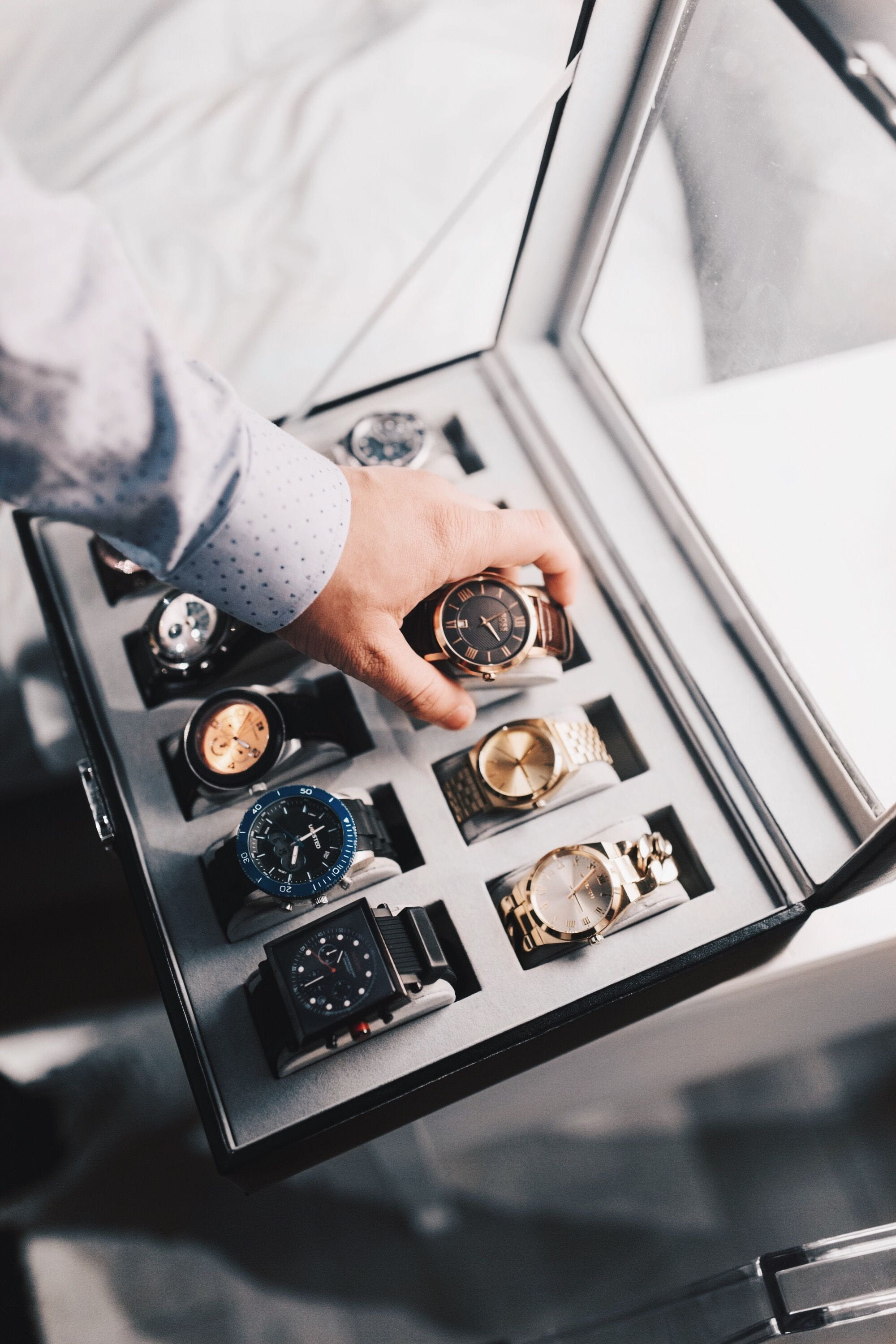
The rational account of a collection goes something like this: a collector acquires pieces that meet certain criteria — condition, provenance, rarity, maker — and disposes of those that fall outside them. The collection evolves. It improves. This is a sensible story, and there is truth in it. But it is not the whole truth.
Because sitting alongside the rational account is a messier, more honest one: some pieces stay not because they are the best example of their kind, but because they have become something else. Something the collector cannot easily name.
I spoke recently to a member who holds a Patek Philippe 2526 — enamel dial, yellow gold, mid-1950s. He has been offered serious money for it three times. He has declined each time, not from stubbornness, but from a feeling he describes as: if I sell it, I will spend the next ten years trying to buy it back.
That is not sentiment. That is a collector who knows himself well enough to know that this particular piece is not part of his collection — it is the collection, in some sense. The anchor around which everything else orbits.
So what is the lesson?
I am not sure there is one, exactly. But I do think it is worth asking, of any piece you are considering selling: is this a decision, or is this a negotiation you will lose? The watch that stays is trying to tell you something. It is worth listening.
The rational account of a collection goes something like this: a collector acquires pieces that meet certain criteria — condition, provenance, rarity, maker — and disposes of those that fall outside them. The collection evolves. It improves. This is a sensible story, and there is truth in it. But it is not the whole truth.
Because sitting alongside the rational account is a messier, more honest one: some pieces stay not because they are the best example of their kind, but because they have become something else. Something the collector cannot easily name.
I spoke recently to a member who holds a Patek Philippe 2526 — enamel dial, yellow gold, mid-1950s. He has been offered serious money for it three times. He has declined each time, not from stubbornness, but from a feeling he describes as: if I sell it, I will spend the next ten years trying to buy it back.
That is not sentiment. That is a collector who knows himself well enough to know that this particular piece is not part of his collection — it is the collection, in some sense. The anchor around which everything else orbits.
So what is the lesson?
I am not sure there is one, exactly. But I do think it is worth asking, of any piece you are considering selling: is this a decision, or is this a negotiation you will lose? The watch that stays is trying to tell you something. It is worth listening.
The rational account of a collection goes something like this: a collector acquires pieces that meet certain criteria — condition, provenance, rarity, maker — and disposes of those that fall outside them. The collection evolves. It improves. This is a sensible story, and there is truth in it. But it is not the whole truth.
Because sitting alongside the rational account is a messier, more honest one: some pieces stay not because they are the best example of their kind, but because they have become something else. Something the collector cannot easily name.
I spoke recently to a member who holds a Patek Philippe 2526 — enamel dial, yellow gold, mid-1950s. He has been offered serious money for it three times. He has declined each time, not from stubbornness, but from a feeling he describes as: if I sell it, I will spend the next ten years trying to buy it back.
That is not sentiment. That is a collector who knows himself well enough to know that this particular piece is not part of his collection — it is the collection, in some sense. The anchor around which everything else orbits.
So what is the lesson?
I am not sure there is one, exactly. But I do think it is worth asking, of any piece you are considering selling: is this a decision, or is this a negotiation you will lose? The watch that stays is trying to tell you something. It is worth listening.
The rational account of a collection goes something like this: a collector acquires pieces that meet certain criteria — condition, provenance, rarity, maker — and disposes of those that fall outside them. The collection evolves. It improves. This is a sensible story, and there is truth in it. But it is not the whole truth.
Because sitting alongside the rational account is a messier, more honest one: some pieces stay not because they are the best example of their kind, but because they have become something else. Something the collector cannot easily name.
I spoke recently to a member who holds a Patek Philippe 2526 — enamel dial, yellow gold, mid-1950s. He has been offered serious money for it three times. He has declined each time, not from stubbornness, but from a feeling he describes as: if I sell it, I will spend the next ten years trying to buy it back.
That is not sentiment. That is a collector who knows himself well enough to know that this particular piece is not part of his collection — it is the collection, in some sense. The anchor around which everything else orbits.
So what is the lesson?
I am not sure there is one, exactly. But I do think it is worth asking, of any piece you are considering selling: is this a decision, or is this a negotiation you will lose? The watch that stays is trying to tell you something. It is worth listening.
Enjoyed this article?
Members of The Collectors Club have access to the full editorial archive, private introductions, and a community of serious collectors.
Apply for Membership